
Essential Public Health Services: Act Now to Protect Your Community
Public health services are the community-wide systems that work to prevent disease, promote healthy living, and protect entire populations, and their real value lies in keeping you healthy before you ever need a doctor. They achieve this through everyday actions like monitoring water quality, offering free vaccinations, and running health education campaigns that empower you with practical knowledge. By connecting you to screenings, nutrition programs, and outbreak response, these services turn complex medical science into simple, accessible support for your neighborhood and family. To use them, simply check your local health department’s website or call their hotline to find services available in your area.
What Exactly Do Community Health Programs Offer You?

Community health programs put **preventive power directly in your hands** by bringing core public health services to your neighborhood, often at low or no cost. You get access to screenings for blood pressure, diabetes, and cholesterol that catch risks early, plus immunizations that shield you and your family from outbreaks. They also offer health education coaching—helping you manage conditions like asthma or hypertension with practical daily steps—and connect you to nutrition support, such as food pantries or cooking classes. Beyond the clinic, these programs assign navigators who help you enroll in Medicaid or find affordable specialists, removing bureaucratic hurdles. Q: What’s the most immediate offer? A: A free health screening and a personalized action plan within your first visit, so you leave knowing your numbers and your next step—no referral needed.
Core Medical Screenings and Preventive Check-Ups
Community health programs place core medical screenings and preventive check-ups directly in your neighborhood, removing travel and cost barriers. You receive blood pressure, glucose, and cholesterol panels that catch silent risks before symptoms appear. Cancer screenings, including mammograms and colorectal tests, follow evidence-based age guidelines, so you only get what you need. Annual wellness visits track your trends, letting clinicians adjust medications or lifestyle advice early. These services prioritize early detection, turning a quick appointment into a safeguard against chronic disease. You walk away with a clear snapshot of your health and a practical browncountyhealthdept.org action plan—no vague recommendations, just targeted next steps.
Immunization Schedules and Where to Get Shots
Community health programs provide structured immunization schedules and where to get shots, eliminating guesswork by aligning with age-based CDC recommendations for children, adults, and seniors. These programs map out catch-up timelines when doses are missed, ensuring herd immunity within local populations. Clinics, mobile units, and partnering pharmacies offer walk-in or appointment-based vaccination, often at reduced cost or free for uninsured residents. For example, a parent can verify their child’s next due date via an in-clinic portal, then receive the vaccine on-site during the same visit.
- Shots are available at public health clinics, school-based health centers, and community pop-up events.
- Call your local health department to confirm walk-in hours for flu, Tdap, or hepatitis B vaccines.
- Bring previous vaccination records; staff can print a portable, updated schedule for you.
- Some programs offer evening or weekend slots specifically for working adults needing boosters.
Chronic Disease Management Support (Diabetes, Hypertension)
Community health programs offer structured chronic disease management support by pairing you with a nurse or health coach who monitors your blood pressure and A1C levels at scheduled intervals. You receive personalized action plans that adjust your medication timing, meal portions, and physical activity based on your weekly glucose logs or home BP readings. These services include free glucometer test strips, calibrated cuffs, and quarterly foot or retinal exams for diabetic complications. Educators also teach you to recognize silent hypertension symptoms and practice salt-substitution cooking. Your care coordinator will call you after every missed appointment to re-engage you, ensuring your condition stays within target ranges and preventing ER visits.
For diabetes and hypertension, community programs provide continuous monitoring, medication titration guidance, and complication screenings — all coordinated by a dedicated care team.
How to Access Low-Cost or Free Care at a Local Health Center
Marta’s first step was calling her local health center and asking for the sliding fee scale, a public health service that adjusts costs based on income. She brought proof of wages and a utility bill, and within one visit, her blood pressure check and diabetes screening dropped to a fraction of the normal price. For those without any income, many centers offer completely free preventive visits funded by federal grants—just request the “uninsured patient” intake form. *The key is to ask before you’re billed, not after, because the staff can pre-enroll you in charity care programs.* Marta also learned that same-day walk-in slots often reserve a few spots for low-income neighbors, so showing up at 8 a.m. boosted her chances. Finally, she asked the front desk about transportation vouchers and interpreters, which removed every barrier to her follow-up appointment.
Eligibility Criteria: Who Qualifies for Sliding-Scale Fees?
Eligibility for sliding-scale fees at public health centers hinges on household size and gross income relative to the Federal Poverty Level (FPL). Centers typically accept uninsured, underinsured, and even insured patients, but fee reductions apply most often to those earning at or below 200% of the FPL, with some centers extending up to 250% for specific services. Documentation required generally includes proof of income (pay stubs, tax returns, or benefit letters) and a completed financial application. To determine your tier, follow this sequence:
- Provide your household’s income and size to the front-desk financial counselor.
- Submit supporting documents for verification.
- Receive your adjusted fee percentage before your appointment.
Re-application is needed annually, as income changes may adjust your discount level.
Step-by-Step Guide to Booking Your First Appointment
Start by finding your nearest health center through the HRSA website or a quick search for “community health center near me.” Call during morning hours, when wait times are shortest, and say you’re uninsured or need sliding-scale fees—this gets you straight to the right scheduler. Have your ID, income details, and any medication list handy; they’ll ask about those to qualify you for discounts. If the line’s busy, request a callback through the automated system instead of hanging up. For same-week openings, ask about cancellations or virtual visits. Finally, confirm your appointment by text or email, and arrive 15 minutes early to complete paperwork. That’s your **first-appointment booking workflow**—simple, free, and stress-free.
Documents You Need to Bring for Registration
To unlock low-cost health center registration, pack your proof of identity and residency before you queue. Bring a government-issued photo ID, like a driver’s license or passport, plus a current utility bill or lease agreement showing your local address. You will also need proof of income—recent pay stubs, a tax return, or an unemployment benefits letter—since these centers often scale fees using federal poverty guidelines. Don’t forget your Social Security card or ITIN if you have one, along with any existing insurance cards, even if coverage is partial. A housing voucher or food assistance award letter strengthens your file. Finally, grab your immunization records and a list of current medications; missing these slows your eligibility screening and first appointment.
Bring photo ID, residency proof, income documentation, insurance cards, and immunization records to fast-track your registration for sliding-scale care.
Key Benefits of Using Population-Based Health Initiatives
Population-based health initiatives enable public health services to shift from reactive, one-on-one care toward proactive, system-wide prevention. By targeting entire communities—not just individual patients—these programs identify risk clusters early, allowing services to allocate resources where they yield the greatest reduction in disease burden. A key benefit is cost efficiency: preventing outbreaks or managing chronic conditions at scale reduces emergency room overload and expensive late-stage treatments, freeing funds for other critical services. Another advantage is equity—standardized screening and vaccination campaigns reach underserved groups who might otherwise miss fragmented clinical opportunities. Tailored outreach uses local data to close gaps in access, while shared infrastructure amplifies the impact of every public health dollar. Yet the most sustainable gains emerge when initiatives build community trust, transforming populations from passive recipients into active partners in their own health maintenance. This collective approach ultimately strengthens the entire public health safety net.
Early Detection Saves Money and Reduces Risk
Population-based screening shifts healthcare from reactive treatment to proactive management, where early detection directly lowers long-term costs by addressing conditions before they escalate into expensive, complex interventions. Identifying hypertension or pre-diabetes at a community level enables lifestyle modifications and generic medications, whereas delayed diagnosis often necessitates surgery, dialysis, or intensive care—financial burdens that dwarf screening expenses. Risk reduction is equally tangible: catching cancers or cardiovascular anomalies early improves survival odds substantially, decreasing disability-adjusted life years and productivity losses. This economic logic holds only when screening programs target high-prevalence conditions with reliable, accessible tests. Consequently, every dollar spent on early detection returns multiple dollars in avoided hospitalizations and chronic disease management.

- Reduces need for costly emergency procedures
- Minimizes long-term medication and monitoring expenses
- Lowers personal financial strain from lost workdays
Coordinated Care for Mothers, Children, and Seniors
Coordinated care for mothers, children, and seniors deliberately aligns prenatal visits, pediatric immunizations, and geriatric assessments through shared data systems, reducing fragmented handoffs between providers. For pregnant women, this means one care team tracks gestational diabetes screening and postpartum depression checks without requiring repeated intake forms. Seniors with chronic conditions benefit from a single medication review that reconciles prescriptions from cardiology and orthopedics, while children’s developmental milestones are flagged at every encounter, not just yearly checkups. This integration directly lowers missed appointments and duplicate testing across age groups. Crucially, coordinated care for mothers, children, and seniors creates a continuous feedback loop where a home-visit nurse’s observation of a new mother’s housing instability can trigger a social worker’s support for her elderly parent’s mobility aid, all within one population health record.
Mental Health and Substance Use Counseling Included

When public health services bundle in mental health and substance use counseling
you get one less barrier between you and feeling okay. No more juggling separate appointments or referrals – these services meet you where you are, often in the same community clinic. Counselors help you untangle stress, anxiety, or addiction triggers before they snowball, using practical coping tools you can use daily. Group sessions also build a support network with neighbors facing similar struggles. Because these services are population-based, they're designed to reach everyone, including those who might not otherwise ask for help.
- Same-day walk-in slots for crisis moments or relapse worries
- Brief, solution-focused sessions that teach grounding techniques
- Peer-led check-ins that normalize the ups and downs of recovery
Tips for Maximizing Your Visit to a Municipal Health Clinic
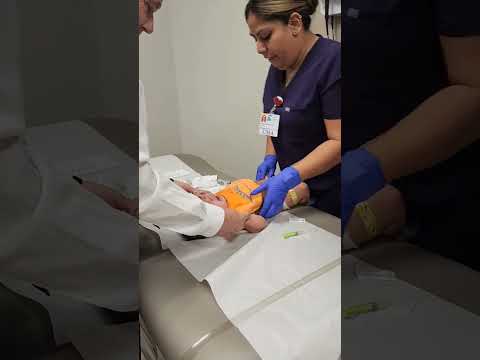
To maximize your visit to a municipal health clinic, arrive early, ideally right at opening, to secure a slot for same-day public health services like vaccinations or screenings. Bring all required identification, proof of address, and any current medication lists, as this reduces administrative delays and allows clinicians to focus directly on your preventive care needs. Before your appointment, write down your specific symptoms or questions—this ensures you use your limited consultation time to address your most pressing health concerns. **Prioritize preventative services** such as flu shots or blood pressure checks, as these are often the core of municipal clinics’ public health mission. **Verify your eligibility for sliding-scale fees** beforehand by calling, so you avoid unexpected charges. Be patient with wait times, as the provider’s pace is intentionally thorough to catch early warning signs in vulnerable populations. Finally, request a printed after-visit summary to track follow-up actions and community resources.
Questions to Ask Your Provider Before Leaving
Before you leave your municipal health clinic appointment, anchor your care by asking what follow-up steps are medically necessary based on today’s findings. Clarify which test results you should expect, how you will receive them (portal, phone, or mail), and the exact timeline for abnormal results. Ask for a written explanation of any new diagnosis or medication change, including side effects that warrant an immediate call. Inquire about sliding-scale fees for recommended labs or referrals to specialty clinics if cost is a concern. Finally, confirm whether you need a return visit or can manage care through a nurse line. Leave with concrete answers, not vague instructions.
- What specific symptom changes should prompt me to call or return?
- Are there free or low-cost medication assistance programs available through this clinic?
- What is the fastest way to reach a nurse for questions after I leave?
How to Get Prescription Refills Without Repeated Visits
Ask your clinic about standing refill orders when you’re already there, especially for maintenance meds like blood pressure or diabetes pills. Many municipal clinics let you request refills through a patient portal or a dedicated phone line, so you skip the waiting room entirely. Before your current supply runs out, check if your provider can authorize a 90-day supply—this often cuts visits in half. If you’re stable, mention that at your next appointment and see if a nurse can handle subsequent refill checks. Auto-refill programs at the clinic pharmacy are another lifesaver, but confirm they’ll contact you before processing. This keeps your treatment on track without clogging your schedule.

- Ask for 90-day supplies on chronic medications.
- Use the clinic’s patient portal or refill hotline.
- Request a standing refill order before your current bottle empties.
- Confirm if nurse-led refill approvals are available after a stable check-up.
Using Telehealth Options for Follow-Ups and Minor Illnesses
Before traveling to the clinic for a follow-up or a minor ailment like a cold or rash, check if your municipal health clinic offers a telehealth option. Many public health services now provide virtual appointments, which can save you a long wait in the waiting room. For simple medication refills or reviewing test results, a phone or video call is often sufficient. This approach also reduces your exposure to other contagious illnesses in the waiting area. To use this service, call the clinic’s main line and ask for a virtual visit, then ensure you have your medications nearby during the call. Virtual follow-up appointments are a convenient, efficient way to manage care without an in-person trip.
Common Concerns About Public Health Offerings, Answered
People often worry that public health services are slow, impersonal, or only for emergencies. In practice, most offerings are designed for preventive, everyday needs, such as vaccinations, screenings, and chronic disease management, with same-week appointments common. Another frequent concern is cost, but sliding-scale fees and free walk-in clinics ensure access regardless of income. Privacy fears are addressed by strict data protocols and confidential consultation spaces. Q: Are these services only for low-income individuals? A: No, they are available to all residents, and many offer specialized programs for seniors, travelers, or uninsured workers. Finally, people question whether staff are qualified—every provider is licensed, and services are reviewed by public health boards, so you receive consistent, evidence-based care without hidden referral requirements.
Are the Services Really Confidential if You’re Uninsured?
Yes, services remain confidential even if you are uninsured. Public health clinics operate under strict privacy laws that protect your visit, regardless of payment status. Your records, test results, and treatment details are not shared with immigration, employers, or family members. You will be asked to provide basic information, but you can often use a pseudonym or decline to give your Social Security number. Staff cannot disclose your care to debt collectors or report you for lacking coverage. Confidential care for uninsured patients extends to sliding-scale billing, where your financial information is kept separate from medical notes. The only exception involves immediate danger to yourself or others, which is a standard practice across all healthcare settings.
What Happens if You Need a Specialist or Hospital Care?
When your public health provider determines that specialist or hospital care is medically necessary, they issue a formal referral that outlines your condition and the required expertise. This referral directs you to an in-network specialist or a contracted hospital, ensuring your out-of-pocket costs remain predictable and coordinated care transitions are seamless. Once referred, the specialist’s office schedules your appointment directly, and hospital admissions are pre-authorized by your public health plan, so you do not handle billing approvals yourself. If you need emergency hospitalization, you bypass the referral step entirely; your public health coverage activates immediately upon admission. After discharge, your primary provider receives a summary and manages follow-up care, preventing duplication of tests. Should your specialist recommend a procedure unavailable locally, the public health system arranges transport and accommodation to a designated facility.
Specialist and hospital care under public health services flows through a referral-based system, with emergency admissions covered instantly and follow-up care coordinated by your primary provider.
How to Switch Clinics or Transfer Your Health Records
To switch clinics within public health services, first request your medical records from your current provider, as they are legally required to release them. You can often submit this in writing or via their patient portal, specifying whether you need a full copy or a summary. Once you’ve selected a new clinic, call ahead to confirm they accept your insurance or sliding-scale eligibility. Then, provide your new clinic with a signed release form so they can request the transfer directly, which is often faster than doing it yourself. Finally, verify all records arrived within two weeks, ensuring continuity of care for ongoing prescriptions or treatments. Keep copies of everything for your own health records emergency file.